Tesla Optimus
Tesla Optimus is an AI-powered humanoid robot designed to perform tasks and assist humans.
Introduction
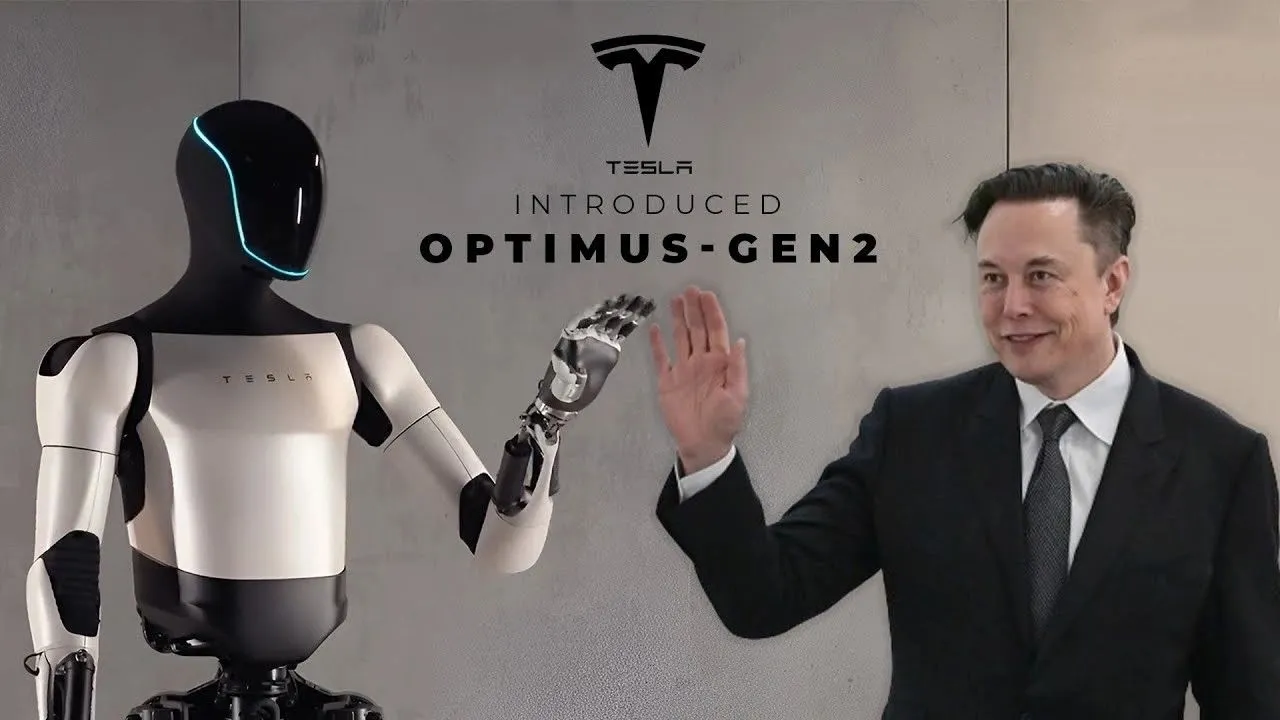
Optimus is a general-purpose, bipedal, autonomous humanoid robot currently being developed by Tesla. Its name is inspired by the character "Optimus Prime" from the Transformers franchise. The original goal behind its development is to take on tasks that are dangerous, repetitive, and boring for humans. Standing at approximately 173 cm tall and weighing around 55 kg (after weight reduction in the second-generation Gen 2 model), the robot is built using lightweight materials. At its core, Optimus is essentially "a Tesla car with legs." It uses the same computer vision architecture and neural networks as Tesla’s Full Self-Driving (FSD) system to think and act.
Key Features
- High-precision object grasping: The robot’s hands feature 11 degrees of freedom and are equipped with tactile sensors, allowing it to handle extremely delicate actions such as picking up an egg without breaking it.
- Autonomous walking and navigation: Using vision sensors (cameras) and FSD algorithms, Optimus can autonomously navigate complex human environments and avoid obstacles.
- Physical labor capabilities: It can carry heavy loads (up to approximately 20 kg), perform factory assembly tasks, screw in fasteners, and sort components.
- Home assistance: Recent demonstrations show the robot mowing lawns, watering plants, and even serving food at a pop-up restaurant.
Highlights
- Cost control: Leveraging Tesla’s powerful supply chain, Elon Musk predicts the final price could be under $20,000, making it cheaper than most cars.
- Algorithm synergy: It is one of the very few products that directly ports a vision-only autonomous driving perception system onto a robot, allowing it to share AI training results from Tesla’s global vehicle fleet.
- Exceptional flexibility: The second-generation model improved walking speed by 30% and refined foot geometry, enabling balance-intensive movements like squats and dancing that mimic human motion.
- Efficient production: Tesla plans to conduct large-scale testing and deployment at its own Gigafactories, creating a closed loop of "using robots to build robots."
Who It’s For
Enterprises and manufacturers are the first target users, with initial applications in automated factories and logistics warehouses where Optimus can replace human labor for 24-hour high-intensity assembly or sorting. For individual households, the future vision includes serving as a home assistant for cleaning, fetching items, and lawn care, as well as providing simple companionship and elderly care. Tech enthusiasts and research institutions will also find value in Optimus as one of the most advanced AI robot platforms for secondary development and experimentation.